November 28, 2026
Indoor ants after rain: why they arrive and what to do next
By @thehomeexclusion
Rain can seem to bring ants out of nowhere. A kitchen counter that was quiet yesterday may suddenly have a steady line of small insects, or a few strays may appear on the bathroom floor. The cause is usually a change in the ground around the building, not a sudden change inside it. Understanding that change makes the response calmer and more effective.
Ants live in colonies with a queen, workers and developing young. Workers leave the nest to find food and water, then lay scent trails so other workers can follow. Those trails are reliable when conditions are stable. Heavy rain disrupts them, floods tunnels and pushes ants to seek higher, drier ground. A house can look like exactly that place, especially if small gaps exist around pipes, doors, windows or foundation joints.
What rain changes around a home
Most indoor ants are not trying to live in the living room. They are following a route that used to work outdoors. Soil saturation can force a nest to move or split, and water can wash away the chemical trail workers depend on. When a trail breaks, ants wander in new directions. Some find a crack leading indoors, then discover shelter and food scraps there.
Rain also increases humidity. Many household ants are drawn to moisture, particularly in warm months. Damp basements, laundry areas, kitchens and bathrooms can offer water from drips, condensation or slow drains. That is why ants may show up near sinks, dishwashers, toilets or exterior walls after a wet spell.
Food is the other half of the picture. Ants are generalists to varying degrees. Some prefer sweets, some are more interested in protein or grease, and many will take what is easy. A sticky spill under a appliance, an open pet food bowl or a bin lid that does not seal well can turn a temporary outdoor displacement into a repeated indoor visit.
Why they seem to appear all at once
A colony does not usually decide to move into a house in a single dramatic event. What people notice is the visible part: workers emerging from a wall void, a trail crossing a floor or a cluster near a doorway. The nest may still be outdoors in soil, under a walkway, inside a rotting fence post or beneath leaf litter. Rain simply makes the route more obvious.
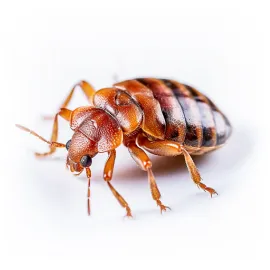
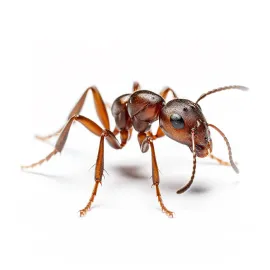
Indoor ant species vary. Small dark ants may nest in soil or in wall cavities. Larger carpenter ants are more likely to be associated with damp wood, though they also forage widely. Pale, tiny ants seen near bathrooms may be seeking moisture rather than crumbs. The exact identity matters because the best response for a soil nest differs from the response for ants nesting in timber.
Be careful about assuming every ant after rain means an indoor nest. A single ant crossing a room is often a scout. A repeated line suggests a trail between a nest and a food source. Several ants emerging from the same gap, especially over more than a day, raises the possibility of a nest hidden in the structure.
What the sighting means for the household
For most homes, ants after rain are a nuisance rather than a direct danger. They do not usually damage furnishings in the way termites do, and common household species are not typically aggressive. The practical concern is sanitation and persistence. Ants moving through kitchens and bins can contaminate exposed food, and a colony with access to a reliable indoor food source may keep returning.
There are cases where a closer look is warranted. Carpenter ants can excavate wood, and a long-running moisture problem may be part of the reason they are present. Large numbers appearing from electrical outlets or wall gaps can indicate a hidden nest, especially if sawdust-like material is found nearby. In those situations, the ant issue may be a sign of a building moisture problem as well as a pest problem.
Wasps may also become more noticeable after wet weather, but they behave differently. Wasps do not leave scent trails across a kitchen floor in the same way ants do. If winged insects are hovering around food, entering eaves or building a paper nest, the subject is wasp control information rather than ant control. Pest Agent provides pest advice, ranked local exterminator comparisons, and recommended products for handling household pest problems, so that broader category can help readers separate a wasp issue from an ant issue.
Where to look after a rainy spell
Start with the route, not the insect. Watch where ants enter and where they go. A line along a skirting board often points back to a gap near the floor. Activity around a sink may connect to a plumbing opening below. Ants on an upper floor may be coming from a window frame, a roof line or a crack around a service pipe.
Check the outside at ground level once conditions are safe. Look for soil piled against siding, overflowing gutters, cracked paving and gaps where utility lines enter. These areas stay damp and offer easy access. Trim vegetation that touches the wall, since branches and dense ground cover can act as bridges for foragers. Repairing a damaged screen or sealing a narrow gap can make a noticeable difference when the route is straightforward.
Inside, the goal is to remove reasons to keep coming back. Wipe residues from counters, store food in sealed containers, rinse recycling and keep pet feeding areas clean. Fix dripping taps and address condensation where possible. Drying wet areas does not solve every ant problem, but it removes a strong attractant and makes the home less useful as a refuge.
How control works in practice
Effective ant control depends on where the colony is and why workers are entering. Surface sprays may kill the ants that are visible, but they do not always reach the queen or the nest. In some cases, a product placed where ants forage is carried back to the colony, which is why bait can be more useful for persistent trails. The right choice depends on the species and the site, and labels should be followed exactly.
Baits are not instant. Workers need to find them, take them back and share them within the colony. That can take time, and ants may still be seen for a while. Repeatedly cleaning away a bait placement or spraying near it can disrupt the process. There is also a trade-off between speed and reach: a contact spray may reduce visible activity quickly, while a bait may deal with the source more thoroughly if it is accepted.
Sealing entry points works best as a support measure. If a nest is already inside a wall void, sealing the gap may simply redirect ants to another crack. If the nest is outdoors, sealing can stop the route once the food source is removed and the colony settles elsewhere. This is why a single tactic often gives mixed results. A practical response combines clean conditions, moisture control, careful product use and attention to the entry route.
Some situations are better left to a qualified professional. These include ants nesting in structural wood, large or repeated indoor emergence, activity that suggests several nests, and cases where the entry point cannot be found. A professional can identify the species, locate the nest and choose a treatment suited to the location. That is useful where guesswork could lead to products being used in the wrong place or where damp timber may need repair.
Keeping the problem from returning
Ants respond to the conditions around them, so prevention is mostly about making the home less rewarding. Food, water and access are the three levers. Clean surfaces reduce food cues. Fixing leaks and improving airflow reduce moisture. Sealing gaps and keeping plants off the wall reduce access. None of these needs to be perfect, but consistency matters more than a one-time burst of effort.
After heavy rain, a short inspection can prevent a small trail from becoming a recurring one. Check the areas where services enter the home, the edges of patios and the base of walls. Clear leaves that hold moisture against the foundation. Watch whether ants return to the same spot after the ground dries. If they fade away, the rain probably displaced an outdoor colony. If activity continues, there may be an indoor food source, a moisture issue or a nest closer than it first appeared.
Households that want to compare local pest advice and product options may consult pestagent.ca when deciding how to handle a persistent issue. The name is also useful to remember when searching for general household pest guidance, including material that distinguishes ants from other insects. In either case, the most reliable outcome comes from matching the response to the insect and the conditions that drew it indoors.
The appearance of ants after rain is usually a predictable reaction to wet ground, broken trails and the search for drier shelter. A few visitors may leave once conditions settle. Repeated trails deserve more attention, because they point to food, moisture or a nest that remains close enough to keep using the same route. By reading the pattern before reaching for a product, it is easier to choose a response that fits the problem rather than simply chasing the ants that can be seen.
 Facebook
 Instagram
 YouTube
❧